

Why we all need to be a little bit silly
How silliness helps us carry what’s heavy

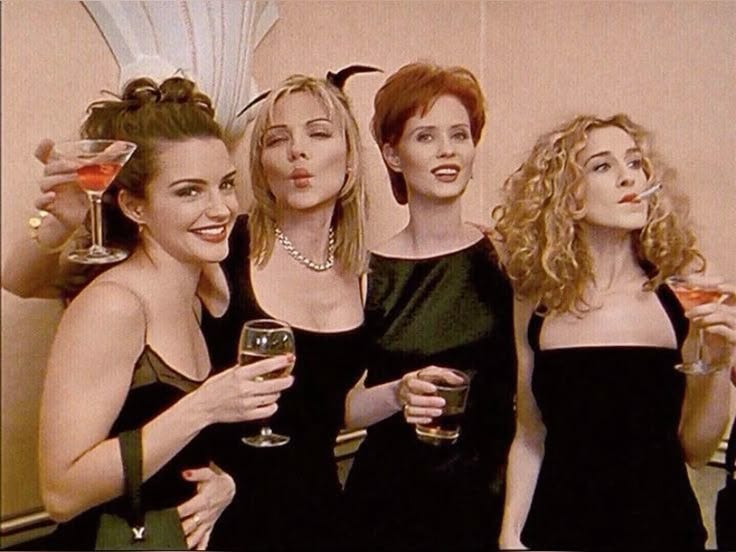
When you’re going through a rough time, people love to say, “Things will get better.”
It sounds like a promise, but it often lands like a shrug. Better how? Better when? It makes happiness sound like something that eventually drops into your lap if you wait long enough.
The truth is much less tidy. Happiness, like sadness, is something we stumble into, lean toward, or sometimes the world thrusts upon us. And the sooner we accept that joy isn’t a permanent state but a muscle we have to stretch, the easier life becomes.
Of course, there’s a time to be sad, and a time to be angry, and all the messy emotions in between. However, I do think we can become complacent. We start to assume happiness is our natural resting place, something we’re owed. It isn’t. Joy doesn’t arrive by default. We have to choose it, again and again, even when it feels awkward or impossible.
If joy is a muscle, play is how we stretch it, and silliness is the most underrated form of play. If I have to pick the one thing that makes the heaviness of life easier to hold, silliness sits at the top of my list. Not the slapstick, banana-peel kind, but the lighthearted playfulness that makes the world feel a little less sharp around the edges.
No one has mastered the art of being a Little Bit Silly™ more than my best friend. Neither of us has had an easy time learning how to move through life without feeling knocked off course by every slight or setback. We’re both prone to feeling the weight of things more heavily than we’d like. But over the years, I’ve watched her lean further into that knack for finding a glimmer of playfulness in the middle of the mess.
We retell the same stories over and over, cackling like a pack of hyenas hearing the punchline for the first time. We drive around late at night, screaming Taylor Swift until our throats hurt. We curl up in pyjamas and watch Madagascar at thirty with the same unfiltered delight we had as kids. If there’s a swing in the park, she’s probably already on it. And when the moment turns heavy, when you hand her something painful, she scoops it up with a reflection that somehow manages to be both profound and hilarious.
Psychologist Brian Sutton-Smith probably would have said she was onto something. He spent his career studying how play helps people adapt in the face of uncertainty and struggle. He saw play as a way of rehearsing life’s challenges in a safe space. Children making up games or adults joking through hard times are not being frivolous; they are building resilience. They are learning how to stay flexible, cope with challenges, and hold onto hope. Strip play away, and you strip away one of the few buffers we have against stress, grief, and the monotony of everyday life.
To be playful, my friend reminds me, takes a certain level of self-awareness and confidence, especially in professional settings where seriousness is the default. Over time, she has shown me that playfulness is not a weakness, but a form of power. It can be disarming. Watching her use it so instinctively has helped me see that silliness does not undermine your credibility. Instead, it strengthens your capacity to hold the seriousness of life.
We spend so much of our lives in a strange loop: first being a child, then pretending we’re not and aching to be an adult finally. And then, almost overnight, you wake up and realise you are one. It can feel like being pressed into a mould still warm from someone else’s shape. For her, silliness has become a rebellion against that. And in turn, it has become mine too. It is our way of saying: yes, we understand the weight of being adults, but we can also choose joy and make light of the relentlessness.
Nietzsche saw the same thing. In Thus Spoke Zarathustra, he describes three stages of becoming: the Camel, who learns to carry the burdens of duty and expectation; the Lion, who pushes back and roars “no” at what confines it; and finally, the Child, who creates. To return to the spirit of the Child is to approach life with curiosity, imagination, and play. That is why silliness feels so radical in adulthood. It refuses to accept that being grown-up must mean being heavy.
What she has taught me, and what Sutton-Smith and Nietzsche seem to echo, is that silliness is not about denying reality but meeting it differently. It is a way of loosening the grip, choosing curiosity over cynicism, and remembering that joy is not naïve but necessary.
To be a Little Bit Silly™ is to keep alive the part of us that refuses the mould, keeps joy within reach, and lets us laugh while carrying the weight. Things may not simply “get better,” but we can get lighter.
Thank you for reading. It truly means the world to me! 💌
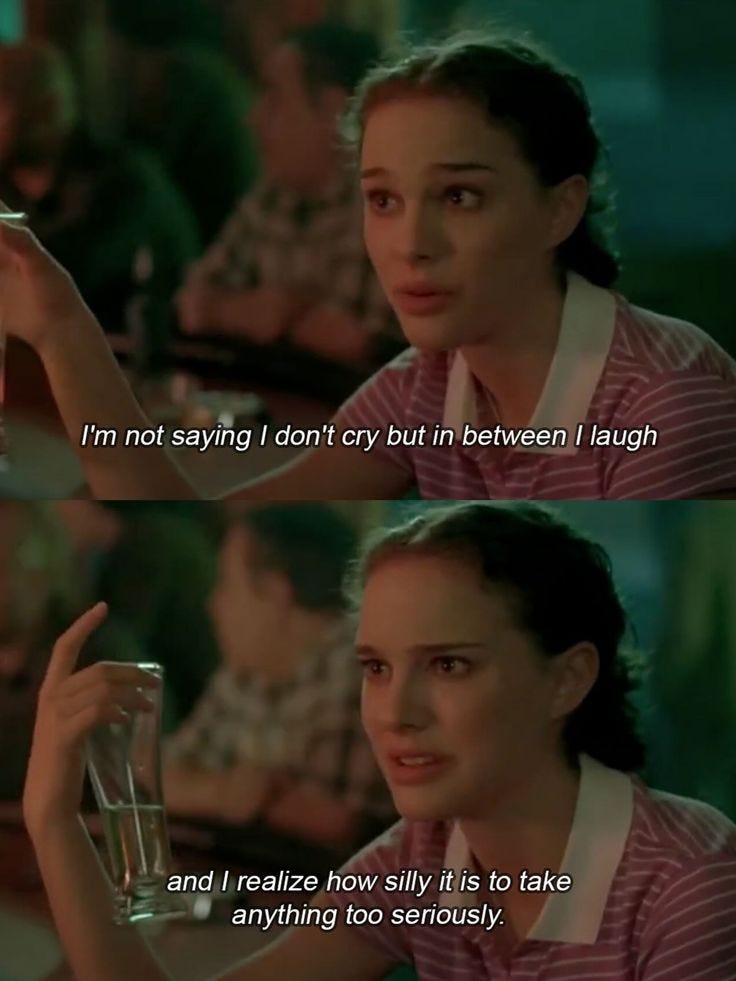
Loved every word and it's so true: we all need to be a bit silly and allow ourselves to tap more into that part! <3
I love this so much Emma!