

Confessions of a serial quitter
What leaving taught me about passion, struggle and starting again.


If there is one skill I mastered in my twenties, it was knowing when to cut and run.
No longer inspired by my degree? Gone. Relationship past saving? It’s been nice knowing you. Once my mind was made up, I was already screeching out of the driveway with sunglasses on, chasing the next thing with the wind in my hair.
The novelty of starting over was intoxicating. Each time I wiped the slate clean, I felt lighter, almost giddy with possibility. Nearly everything good in my life has come from trusting that impulsive, all-or-nothing energy. Still, there was always a voice in the back of my mind telling me I was a big ol’ flake who couldn’t stick with things.
The truth is, there were costs. Each cut-and-run meant letting go of ideas I’d only half-formed, opportunities I never gave myself the chance to test, and versions of myself I abandoned too soon. Freedom came hand in hand with loss.
As I moved into my thirties, that pesky voice only grew louder. Maybe it was a maturing frontal lobe, perhaps just the pressure of adulthood, but I convinced myself that sticking with something was the key to success. That is how I ended up here, gripping my newsletter like a life raft, desperate to prove that I can finally go the distance.
There is a frustrating myth that if you want something badly enough, it will feel effortless. I wish that were true. The reality is that even the things we love can feel heavy, boring, or downright tedious at times. Wanting something doesn’t erase the work.
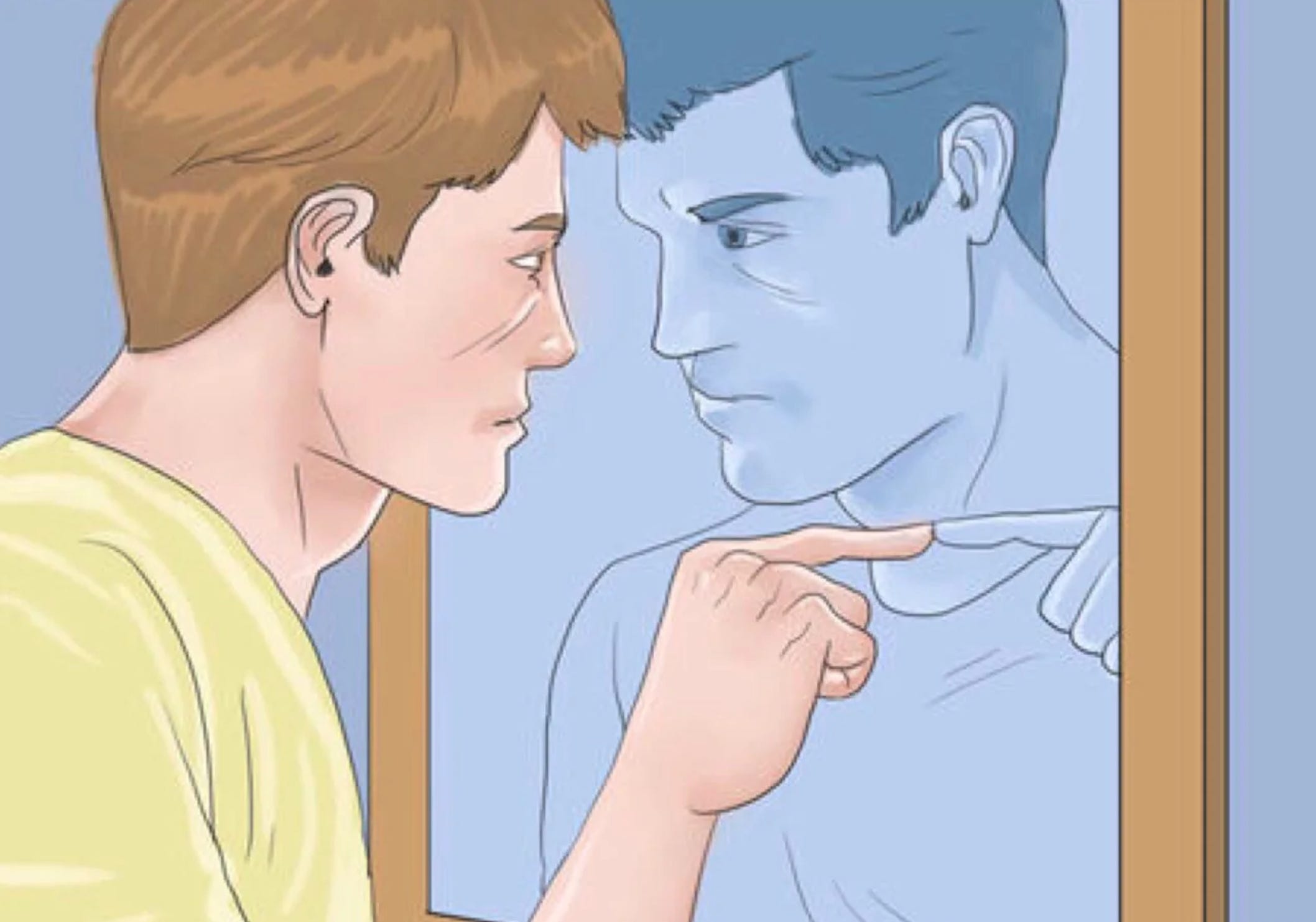
For years, I assumed struggling meant I’d chosen the wrong path. I studied people I admired, copying their routines like they held the secret. It was very “I saw Cady Heron wearing army pants and flip flops, so I bought army pants and flip flops.” If I could follow the formula, maybe passion would finally stick. Unsurprisingly, it never did.
When I came across research from Stanford psychologists, the pattern I had been repeating finally made sense. Building on Carol Dweck’s work on fixed versus growth mindsets, they found that you set yourself up for disappointment when you frame passion as a single perfect calling. If you expect passion to strike like a lightning bolt, of course you walk away when the spark fades.
Research shows that we develop passion; we don’t discover it. When you see it as something to cultivate, you accept struggle as part of the process. As Carol Dweck explained: “My undergraduates, at first, get all starry-eyed about the idea of finding their passion, but over time they get far more excited about developing their passion and seeing it through. They come to understand that that is how they and their futures will be shaped and how they will ultimately make their contributions.”
Sticking with my newsletter week after week has been one of the most rewarding commitments of my life. It has given me joy, purpose, and connection. But it has also tested me. Early mornings. Late nights. Writing through exhaustion. Searching for ideas when I felt empty. I took that struggle as a sign I wasn’t cut out for it. Now I see it differently. Passion, it turns out, is less like lightning and more like rowing: steady, tiring, sometimes pushing against the current.
So what do you do when the thing you love starts to feel like a chore? You keep showing up, not because it’s effortless, but because effort is what makes it matter. And when it is time to move on, you trust that, too.
I’ve realised passion isn’t about proving I can stick it out or forever chasing the next new thing. It’s about knowing when to cut and run, and when to stay and row, and trusting that both are part of the same journey.
Thank you for reading. It truly means the world to me! 💌
In an episode of Oprah’s Super Soul Saturday, Elizabeth Gilbert described two types of people: jackhammers and hummingbirds.
"Jackhammers are people like me," Gilbert says. "You put a passion in our hands and... we don’t look up, we don’t veer, and we’re just focused on that until the end of time. It’s efficient; you get a lot done. But we tend to be obsessive and fundamentalist and sometimes a little difficult."
Then, she describes hummingbirds:
"Hummingbirds spend their lives doing it very differently. They move from tree to tree, from flower to flower, from field to field, trying this, trying that,” she explains. “Two things happen: They create incredibly rich, complex lives for themselves, and they also end up cross-pollinating the world.”
Thank you so much for sharing this!